Ewa Wes Wesolowska, Art in public space, Follow the Yellow Brick Road, Nowa Huta, Cracow
Ewa Wes Wesolowska, Art in public space, Follow the Yellow Brick Road, Nowa Huta, Cracow
Ewa Wes Wesolowska, Art in public space, Follow the Yellow Brick Road, Nowa Huta, Cracow
Ewa Wes Wesolowska, Art in public space, Follow the Yellow Brick Road, Nowa Huta, Cracow
Ewa Wes Wesolowska, Art in public space, Follow the Yellow Brick Road, Nowa Huta, Cracow
Ewa Wes Wesolowska, Art in public space, Follow the Yellow Brick Road, Nowa Huta, Cracow
Ewa Wes Wesolowska, Art in public space, Follow the Yellow Brick Road, Nowa Huta, Cracow
Ewa Wes Wesolowska, Art in public space, Follow the Yellow Brick Road, Nowa Huta, Cracow
Ewa Wes Wesolowska, Art in public space, Follow the Yellow Brick Road, Nowa Huta, Cracow
Ewa Wes Wesolowska, Art in public space, Follow the Yellow Brick Road, Nowa Huta, Cracow
Follow the Yellow Brick Road
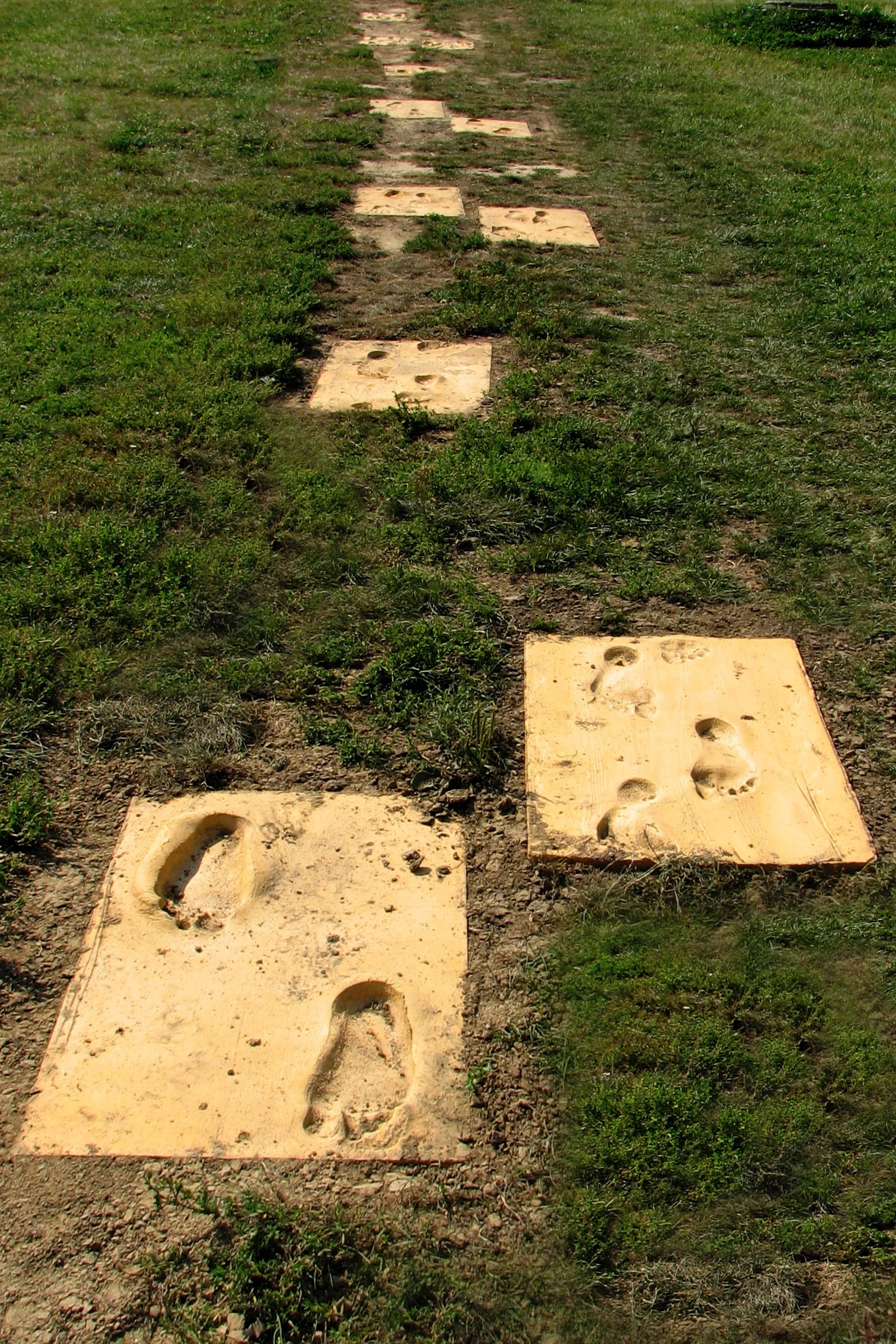
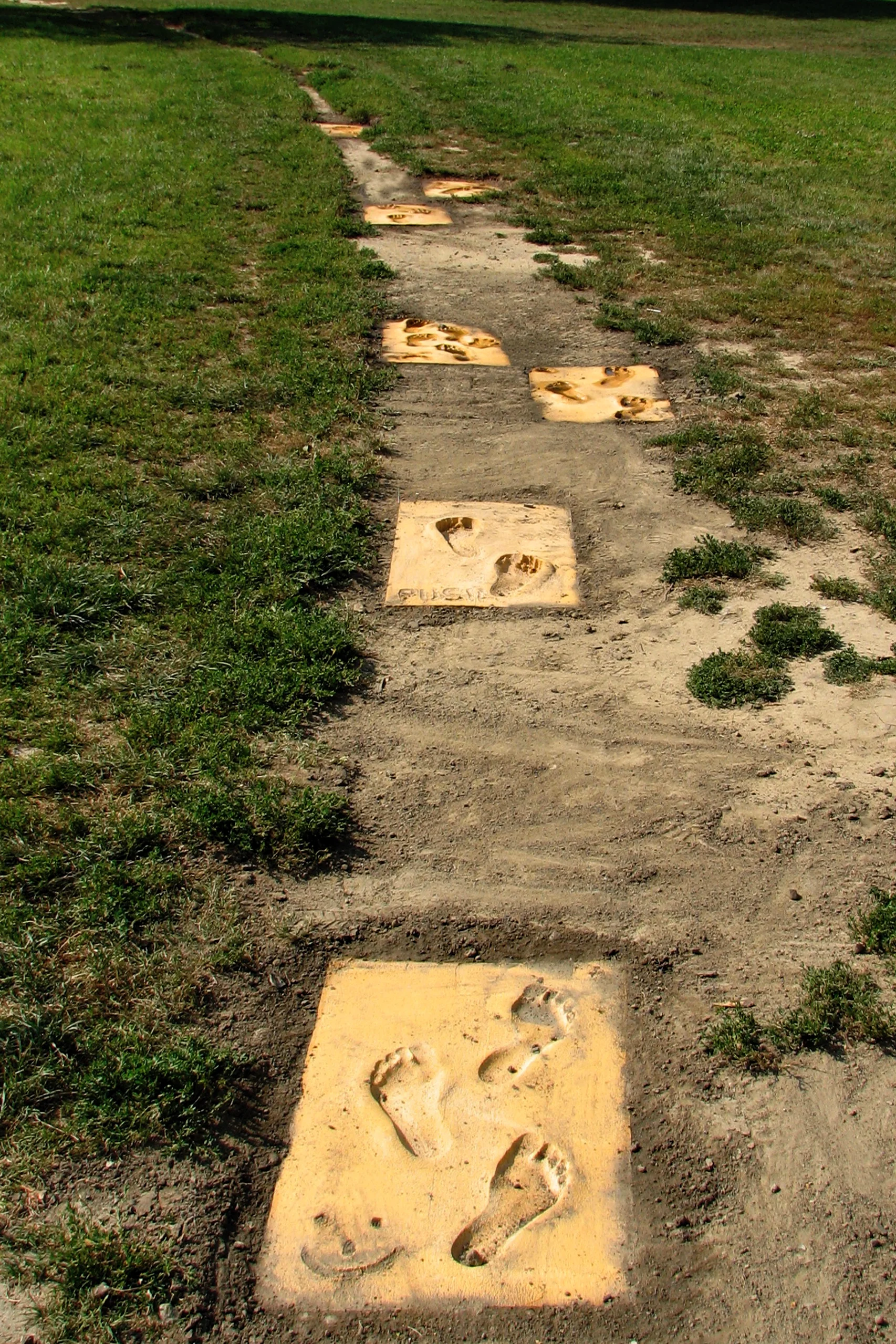
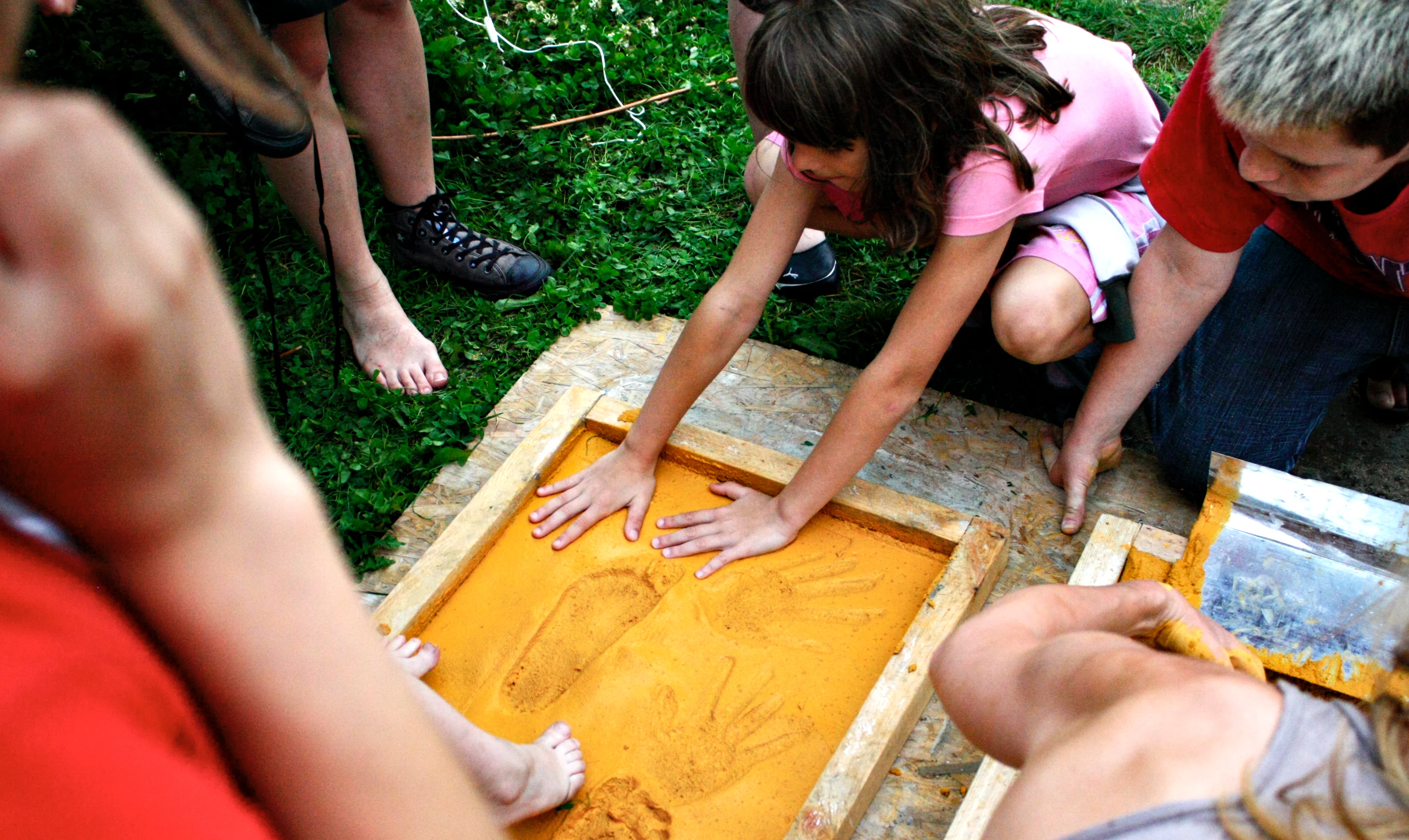
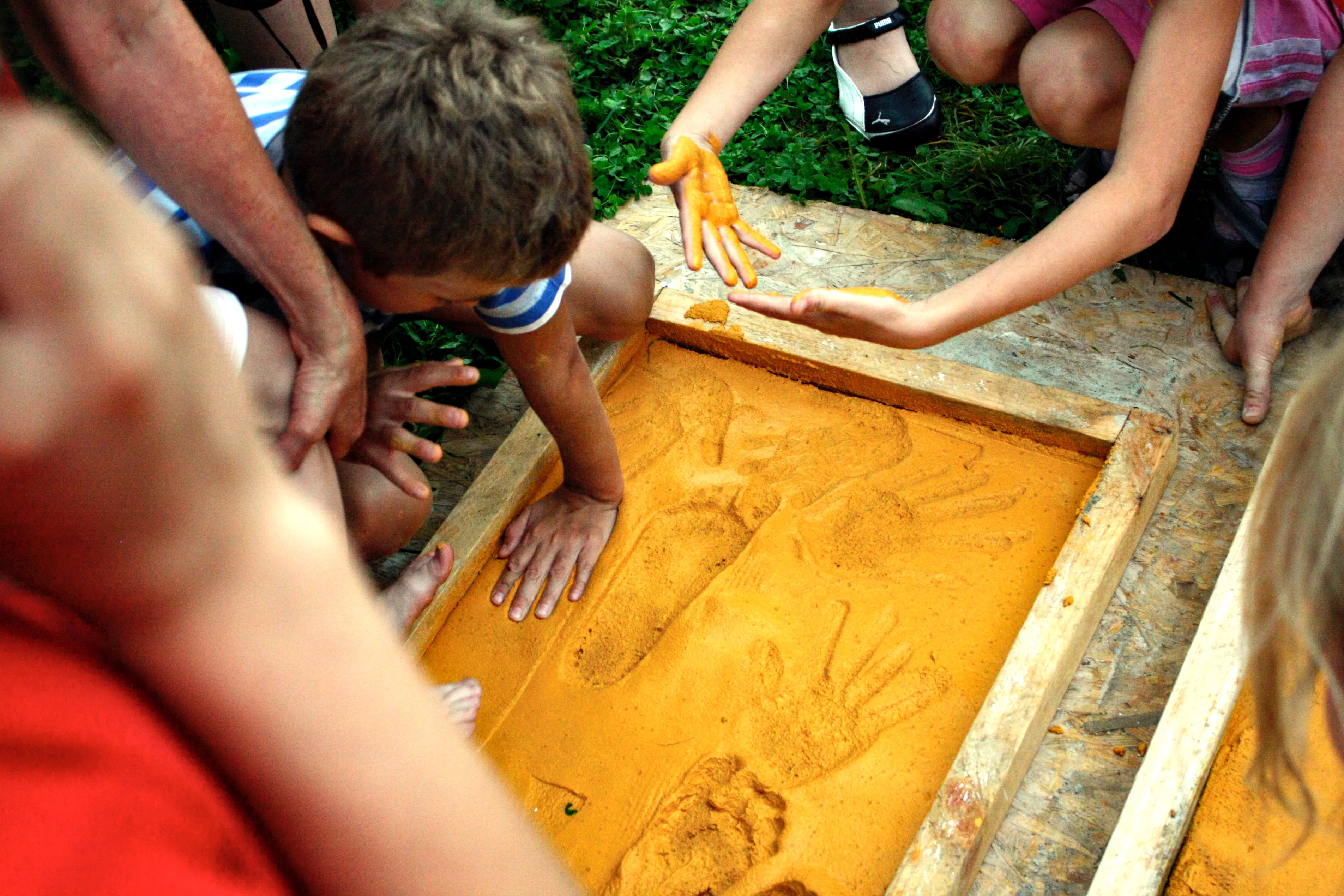
Can a memory from childhood change our life? Follow the Yellow Brick Road was developed in dialogue with school teachers and activists from the Nowa Huta district to address the lack of activities for children spending summer holidays in the city and to respond to the deficiency of art and cultural events for children during the school year. It questioned how art activism could contribute to the reinterpretation of the area, its public life, and its future development. By employing the language of play the project motivated children to create their own footprint and handprint casts in yellow concrete, using the symbol of a Forecourt of the Stars to point out the importance of each child participating in the process.
Art and Happening in Public Space
32 concrete plates developed with the public within a month happening
NCK Nowa Huta Cultural Centre
Cracow, Poland, 2011
Follow the Yellow Brick Road
Art and Happening in Public Space
32 concrete plates developed with the public within a month happening
NCK Nowa Huta Cultural Centre
Cracow, Poland, 2011
Can a memory from childhood change our life? Follow the Yellow Brick Road was developed in dialogue with school teachers and activists from the Nowa Huta district to address the lack of activities for children spending summer holidays in the city and to respond to the deficiency of art and cultural events for children during the school year. It questioned how art activism could contribute to the reinterpretation of the area, its public life, and its future development. By employing the language of play the project motivated children to create their own footprint and handprint casts in yellow concrete, using the symbol of a Forecourt of the Stars to point out the importance of each child participating in the process.