Ewa Wes Marla Heid, Art in Public Space, Blühende Öde, Berlin
Ewa Wes Marla Heid, Art in Public Space, Blühende Öde, Berlin
Ewa Wes Marla Heid, Art in Public Space, Blühende Öde, Berlin
Ewa Wes Marla Heid, Art in Public Space, Blühende Öde, Berlin
Ewa Wes Marla Heid, Art in Public Space, Blühende Öde, Berlin
Ewa Wes Marla Heid, Art in Public Space, Blühende Öde, Berlin
Ewa Wes Marla Heid, Art in Public Space, Blühende Öde, Berlin
Ewa Wes Marla Heid, Art in Public Space, Blühende Öde, Berlin
Ewa Wes Marla Heid, Art in Public Space, Blühende Öde, Berlin
Ewa Wes Marla Heid, Art in Public Space, Blühende Öde, Berlin
Ewa Wes, Blühende Öde, exhibition, Flutgraben eV, Berlin
Ewa Wes, Blühende Öde, exhibition, Flutgraben eV, Berlin
Ewa Wes, Blühende Öde, exhibition, Flutgraben eV, Berlin
Ewa Wes, Blühende Öde, exhibition, Flutgraben eV, Berlin
Ewa Wes, Blühende Öde, exhibition, Flutgraben eV, Berlin
Ewa Wes, Blühende Öde, exhibition, Flutgraben eV, Berlin
Ewa Wes, Blühende Öde, exhibition, Flutgraben eV, Berlin
Ewa Wes, Blühende Öde, exhibition, Flutgraben eV, Berlin
BLÜHENDE ÖDE – Urban Identities In Transition
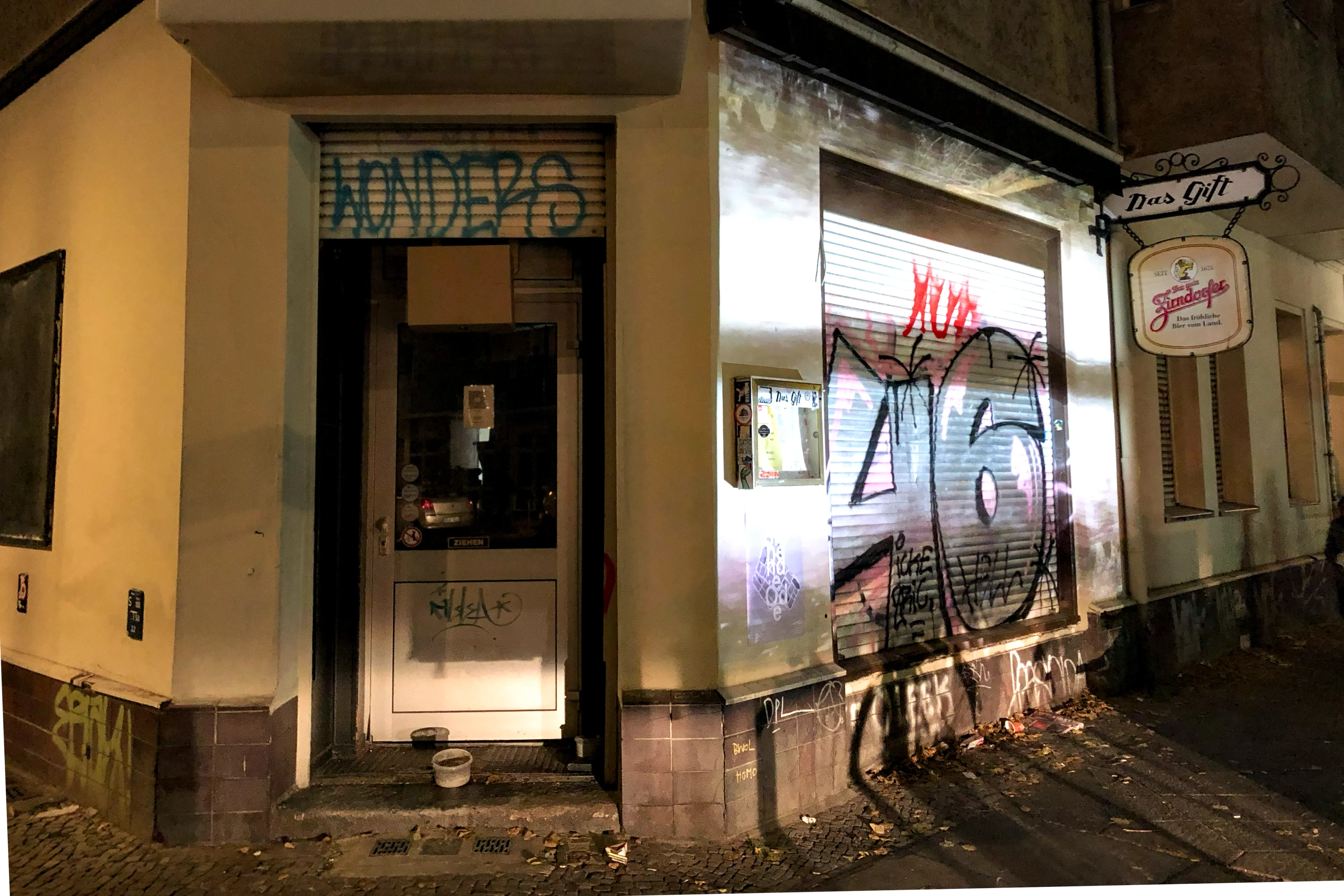
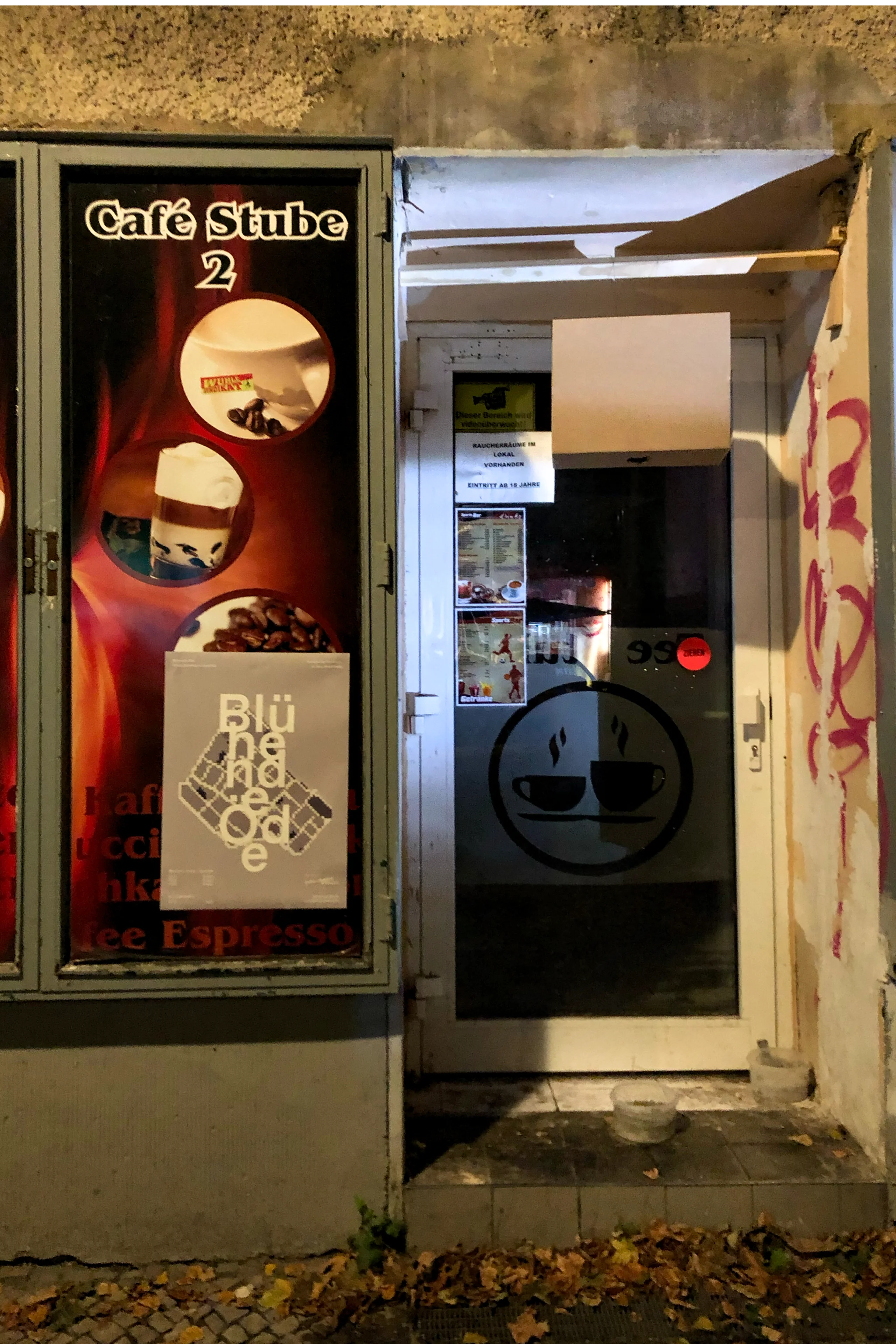
Blühende Öde – Urban Identities In Transition was a collaborative project developed with Kunstbüro Hohmann und Heid. Spanning four days and multiple locations in Neukölln, Berlin, the project explored the potential of overlooked and unused urban spaces within the district, highlighted during the pandemic. These sites, all within walking distance of each other, formed an alternative map that emphasized vacancies often invisible in the urban fabric.
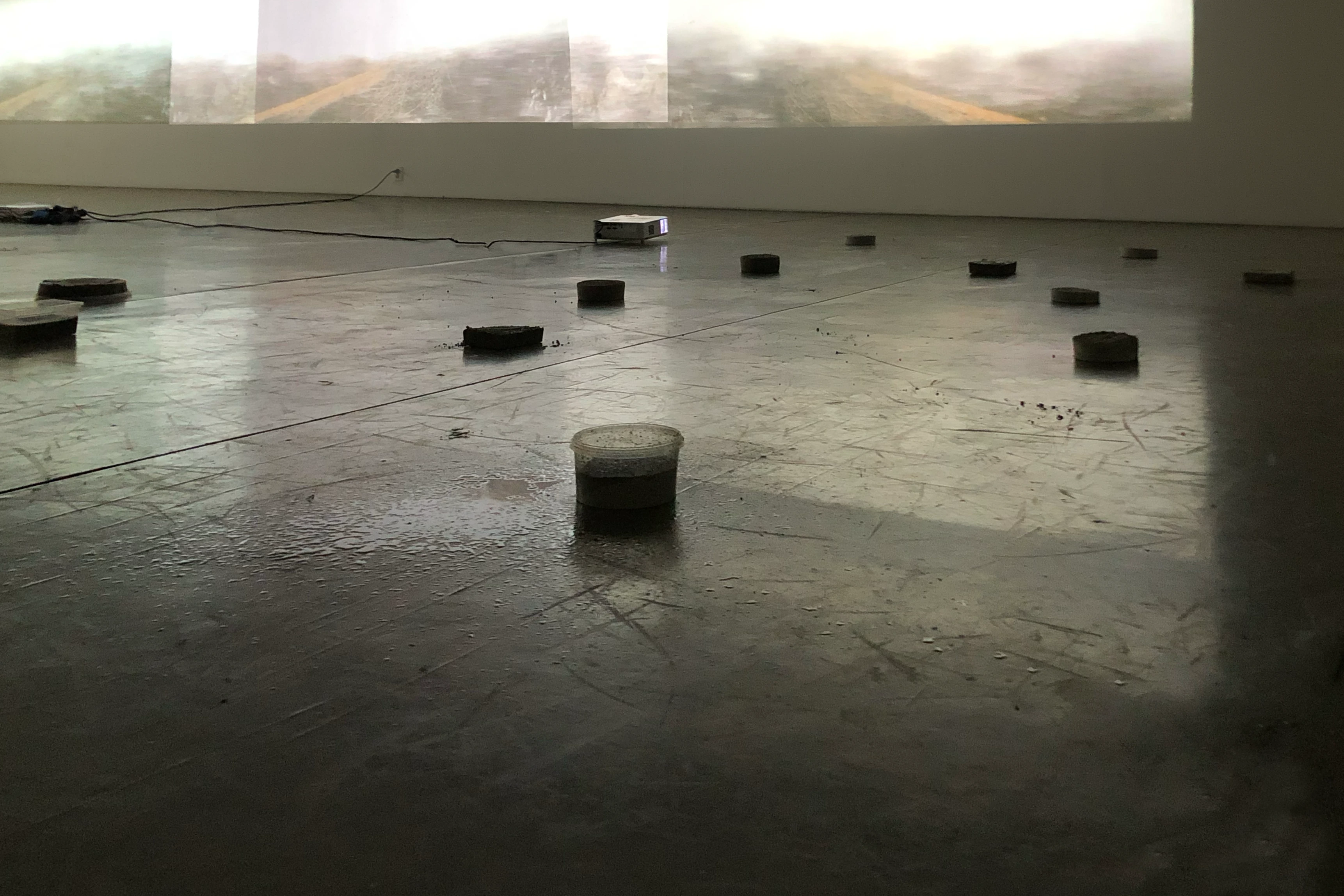
Each location featured video projection on its facade, depicting counter-flows of water. These projections served as visual markers, creating a cohesive narrative across the district.
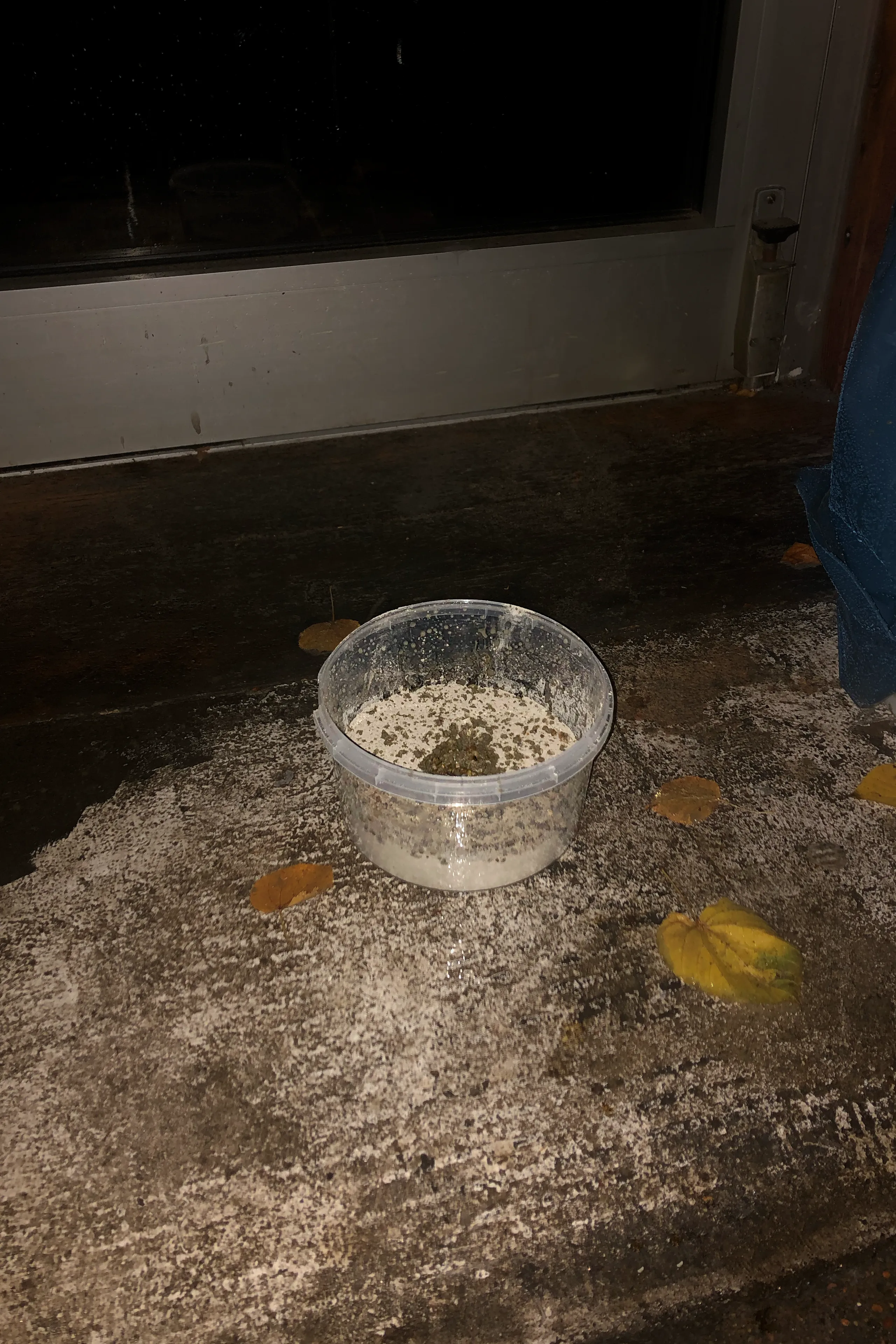
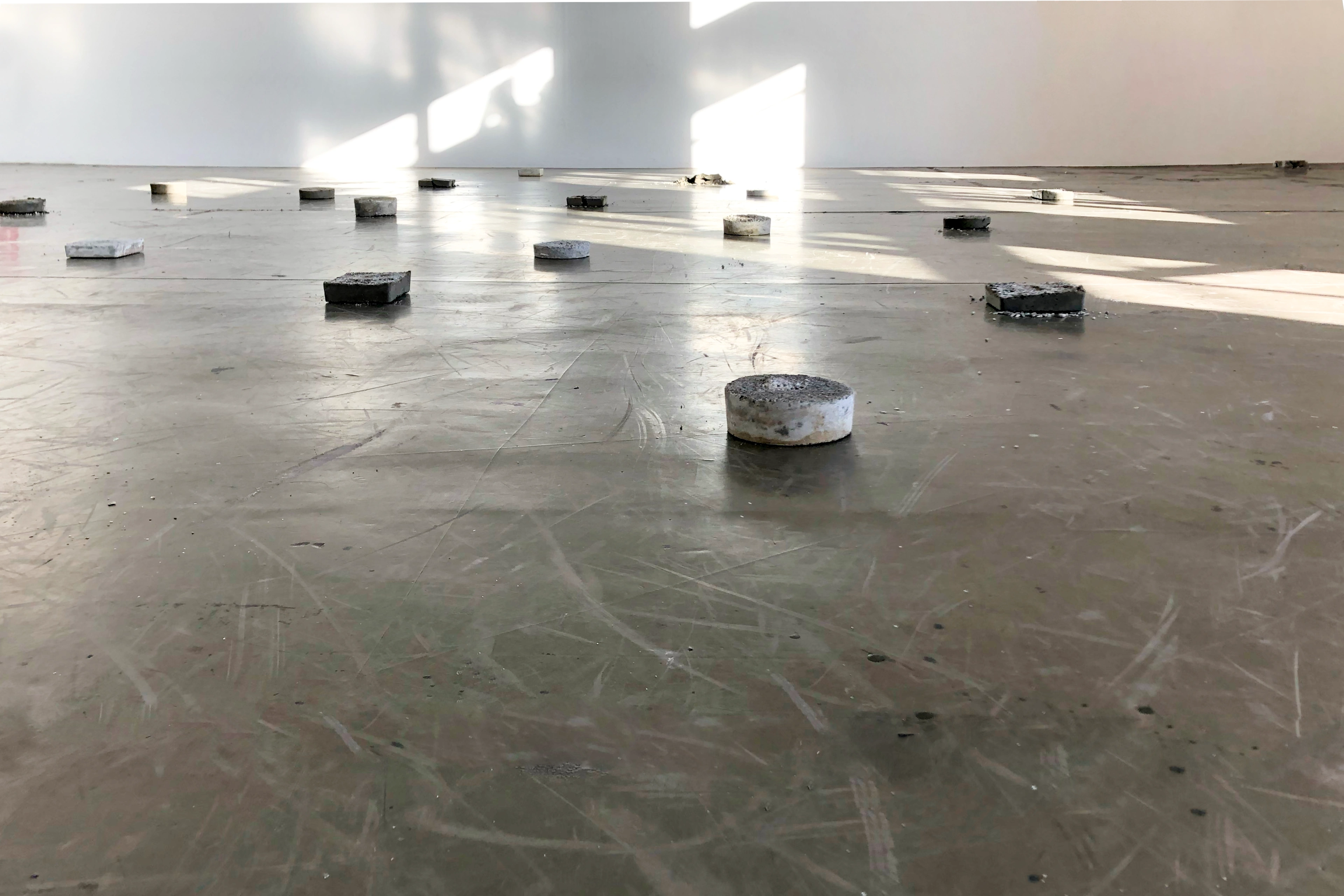
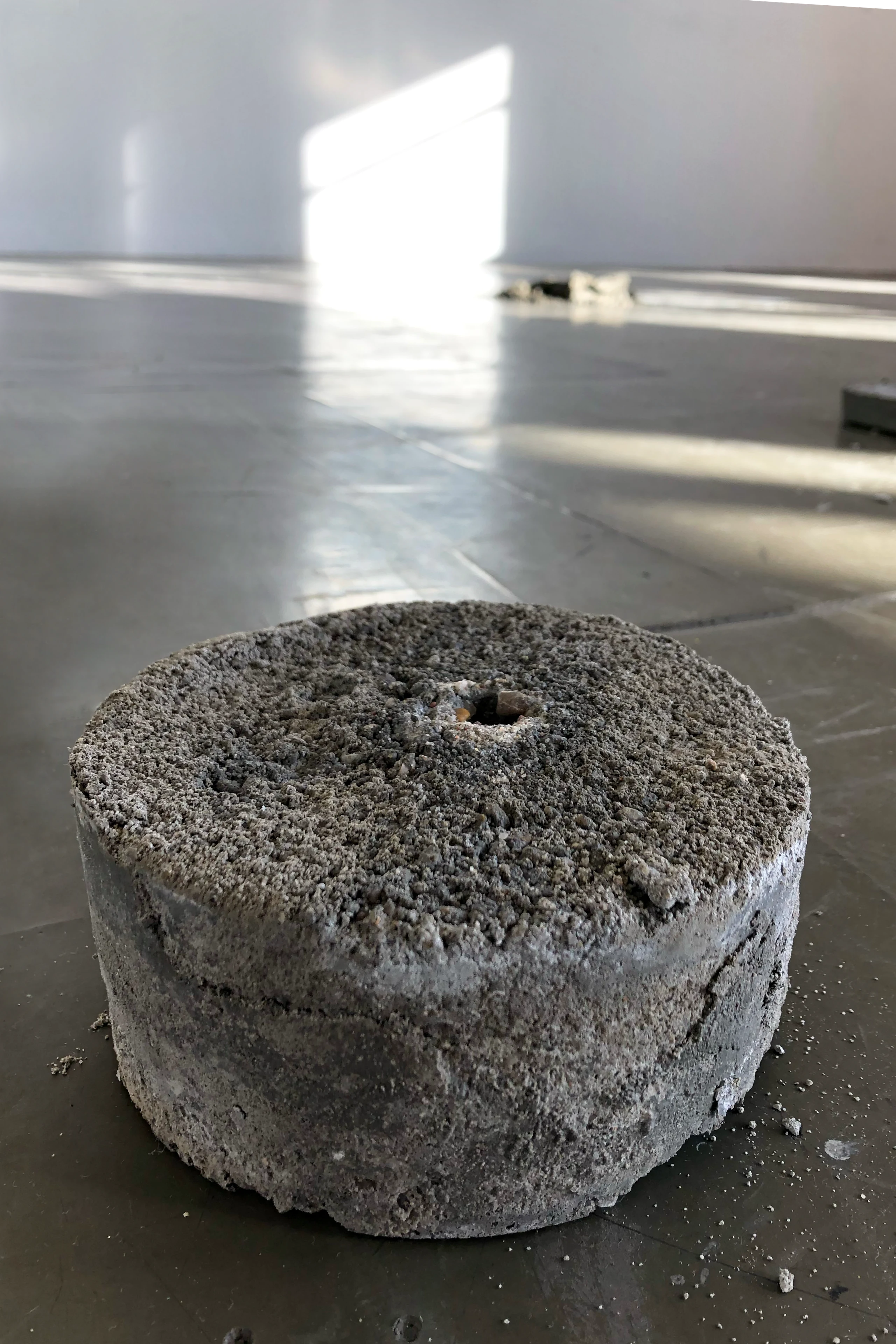
At each site’s threshold, suspended structures released steady drops of water onto containers filled with powdered material below. Over time, the droplets gradually solidified the powder, transforming it into durable concrete forms. This slow, persistent process of metamorphosis embodied a tangible representation of change, endurance, and temporality.
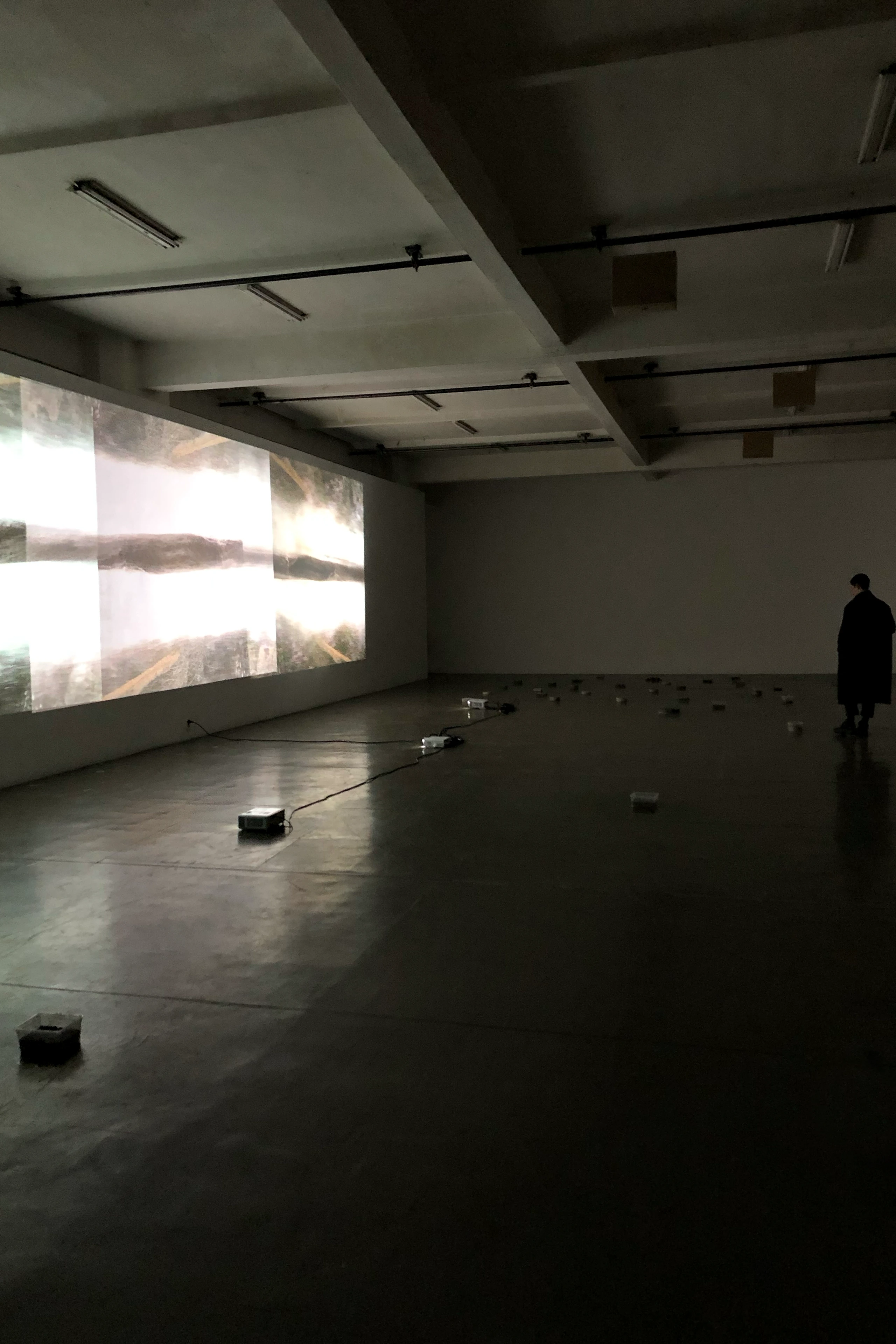
The exhibition at Am Flutgraben 3 showcased the objects created during the street interventions, constructions with droplets and concrete containers creating new objects, and video projections.
Blühende Öde – Urban Identities In Transition was a collaborative project developed with Kunstbüro Hohmann und Heid. Spanning four days and multiple locations in Neukölln, Berlin, the project explored the potential of overlooked and unused urban spaces within the district, highlighted during the pandemic. These sites, all within walking distance of each other, formed an alternative map that emphasized vacancies often invisible in the urban fabric.
Each location featured video projection on its facade, depicting counter-flows of water. These projections served as visual markers, creating a cohesive narrative across the district.
At each site’s threshold, suspended structures released steady drops of water onto containers filled with powdered material below. Over time, the droplets gradually solidified the powder, transforming it into durable concrete forms. This slow, persistent process of metamorphosis embodied a tangible representation of change, endurance, and temporality.
The exhibition at Am Flutgraben 3 showcased the objects created during the street interventions, constructions with droplets and concrete containers creating new objects, and video projections.